Frequently Asked Questions
The most-asked questions about mexican cities.
What is this encyclopedia actually about?
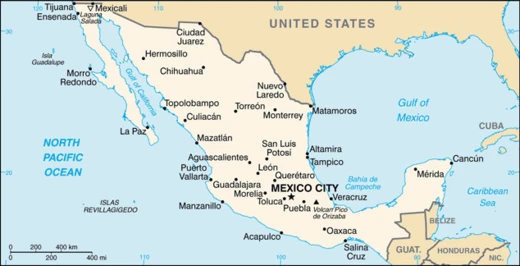
It is a community-maintained reference that treats the cities of Mexico as an interconnected cultural landscape, profiling their history, architecture, food, music, and the people who define each place.
Which cities serve as the 'main characters' of the collection?
Mexico City, Oaxaca, Guanajuato, and Mérida anchor most cross-references, while smaller profiles like Cholula, San Cristóbal de las Casas, and Tonalá round out the supporting cast.
Where should a newcomer start reading?
Begin with the Mexico City overview, then jump to the Oaxaca and Yucatán entries to feel how the contrast between pre-Hispanic roots and colonial layering drives the whole set.
What is the most common misconception the FAQ tries to correct?
That Mexican cities are interchangeable; in practice, the industrial steel-and-glass feel of Monterrey is as different from the cobblestone Bajío towns as it is from the jungle-adjacent streets of Chiapas.
What core facts does every city entry include?
Founding or pre-Hispanic origin, the dominant architectural era, a signature dish or spirit, and at least one living tradition—like a weekly market or festival—still practiced in the city today.
What counts as a 'notable moment' in a city's storyline?
Entries flag events such as the 1985 earthquake that reshaped Mexico City's skyline, the 1994 Zapatista uprising near San Cristóbal, or the 2016 reopening of the Templo Mayor museum.
How is food woven into the city profiles?
Each page carries a dedicated 'Flavor' section on its mole, taco, or mezcal tradition, treating local cuisine as a primary identity marker rather than a footnote.
Do the entries address modern issues like safety or gentrification?
Yes; a 'Current State' subsection in every profile tackles tourism pressure, migration patterns, and urban development in plain, non-sensational language.
Who are the recurring figures that link multiple city pages?
Cross-referenced profiles connect places through people—Frida Kahlo in CDMX, Day-of-the-Dead artisans in Oaxaca, and the bullfighting tradition of Puebla all appear as shared threads.
Is this encyclopedia official or government-backed?
No; it is entirely fan-maintained by travelers, local residents, and students who add and revise entries without any institutional sponsorship or editorial board.